The Doormat That Started Fawnalore

It All Started on a Doormat
It all started on a doormat. Literally.
We had printer-paper cards, gummy bears as minis, and absolutely busted mechanics. But through all the chaos, we found the spark for something amazing — the makings of a board game that felt different.
What began as an idea and a terrible prototype became something more, because as we sat around that table we laughed, argued about who was overpowered, and somehow kept almost everyone awake. (Matt had a long day at work. We’ll forgive him.)
After all, aren’t those the real metrics for a successful board game?
That night — four years ago, at a bachelor party — it all began.
This is the story of Fawnalore, the storytelling strategy game you can open and play tonight.
The Frustration That Sparked It
Fawnalore was born out of a shared frustration.
We’ve always loved tabletop RPGs, but one of us always ended up being the permanent Game Master — stuck planning for hours while everyone else got to play.
The storytelling was fun, but when your group decides to go east instead of west after you spent all week designing the west… painful.
So the question formed:
Why can’t everyone play?
Could there be a way to capture the excitement and lore depth of a tabletop RPG, but where everyone participates equally? Could it be done in a way that was relatively simple to learn? Could it capture the depth of play that keeps the attention of hard core gamers, but simple enough that it invites families to play together on Friday nights? Could it be designed to set up relatively quickly?
These were the questions that lit the fuse.
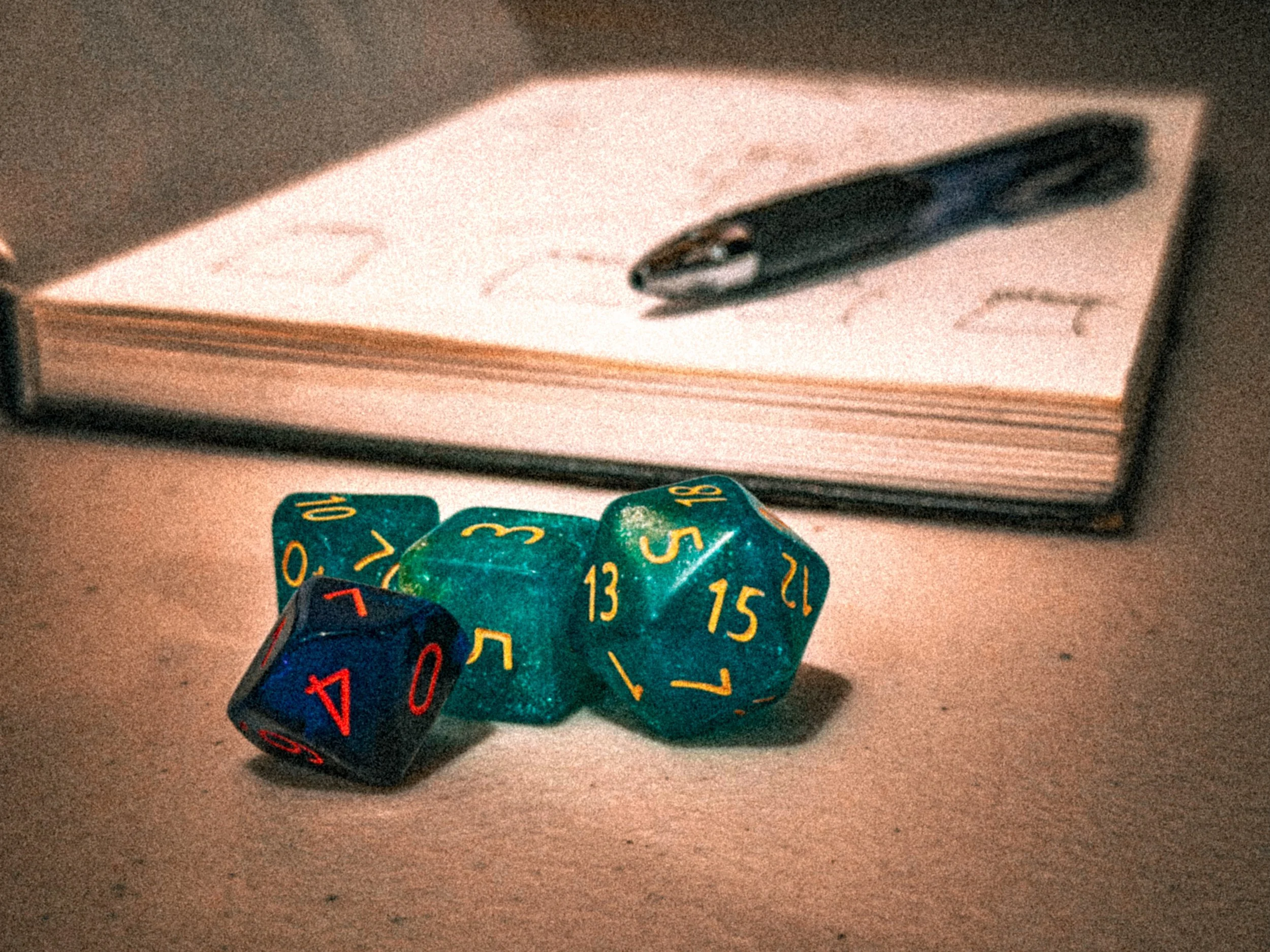
An Idea Takes Shape
The more we talked, the more we realized something was missing in modern gaming. Everywhere we looked — from comics to card games to video games — we saw the same creative culture: passionate people who love story, art, strategy, and nostalgia.
So the real challenge became:
Why isn’t there a game that combines all of that — the best parts of every world — and trims away the boring or painful parts?
Fawnalore became our answer to that question.
Our magnum opus.
An ode to nostalgia, trying to bottle the feeling of LAN parties and Saturday morning cartoons.
A mashup of deck-builder excitement and the emotional weight of your favorite hero story.
The seamlessness of a video game tutorial with the edge-of-your-seat tension of telling a great story.
No more three-hour rulebook marathons.
No more pay-to-win frustrations.
No more odd-person-out RPG sessions.
The game teaches you.
Everything’s in the box.
Everyone plays.
Fawnalore is the answer.
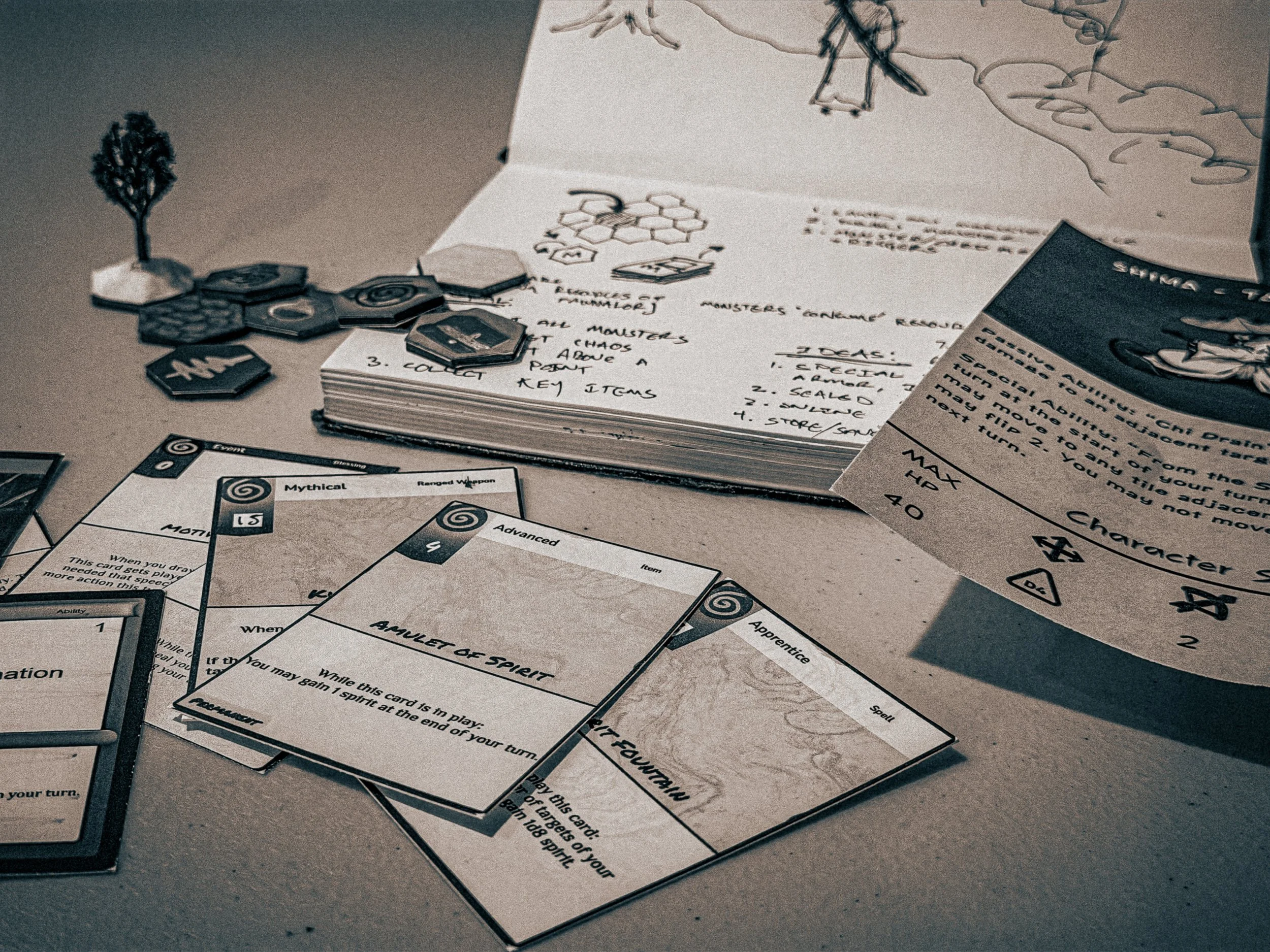
The Doormat Era
We spent the first year of COVID tinkering in our free time, studying everything we could: how video games handle inventory, how old Westerns pace tension, how deck-builders balance mechanics.
When we finally felt ready, we made the prototype and brought it to a bachelor party for the first-ever playtest.
Doormat in one hand, flimsy cards in the other, we were ready to show the world how brilliant our idea was.
And what an utter disaster it was.
Every two minutes, we stopped to argue over how a rule was meant to work. Someone’s character was “too strong.” There were unfair teams, betrayal moments, and even one full nap (thanks, Matt).
It was complete chaos — and it was perfect.
Because even in that mess, two things became clear:
We needed help.
The game, broken as it was, was actually fun.
That night marked the start of something real.
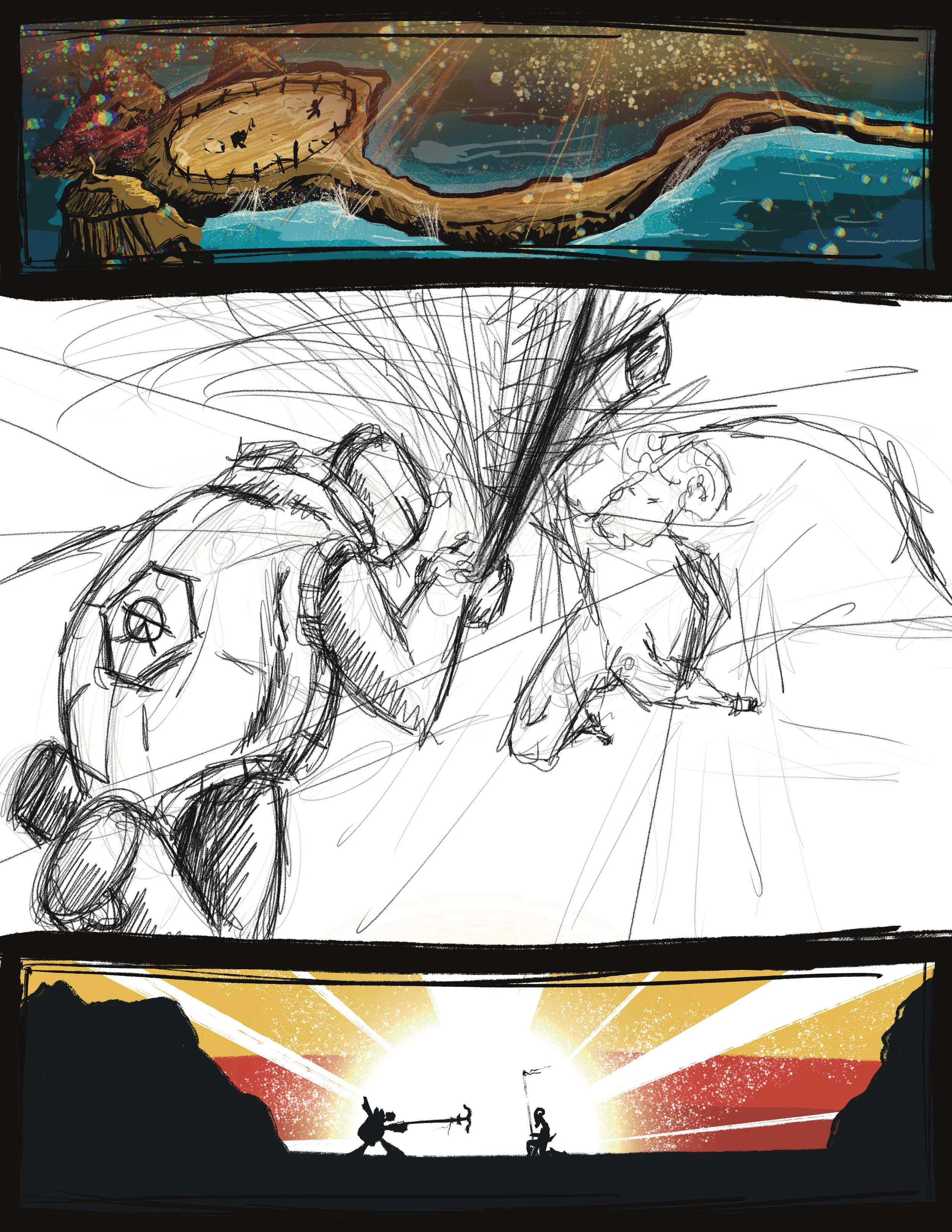
The Brothers’ Pact
That chaotic night became our catalyst.
Each of us brought something different to the table — engineering, design, storytelling, and marketing — but we all shared one mission: to build the kind of game we’d always wanted to play.
Our mantra became simple:
What can we do better?
That question turned into years of iteration, late nights, wild ideas, and countless playtests. Slowly, the chaos from that doormat night transformed into something beautiful.
From Doormat to Dream
Over time, Fawnalore evolved into more than just a game — it became a living world.
What started as scraps of paper has become a rich, cooperative campaign overflowing with story, lore, and purpose.
We’ve built a system that adapts — a physical sandbox for storytelling and strategy.
A place where players can explore, fight, and grow through choice and fulfillment, not just victory.
It’s been hundreds of hours of playtesting, brainstorming, and sleepless nights chasing the same dream:
to make something that feels alive.
One of our favorite quotes comes from Robots:
“See a need, fill a need.”
That’s Fawnalore in a nutshell.
We’ve lived the pain points of modern games — the learning curves, the imbalance, the paywalls — and we’re building the solution.
The Journey Ahead
We’re still in development, but this is the moment we start sharing the journey.
Through our Journal, you’ll get a behind-the-scenes look at how the world of Fawnalore is built — one tile, one story, and one sleepless night at a time.
You can follow our progress, weigh in on ideas, and be part of shaping what we hope is the next evolution of board gaming —
a 2.5D, analog video game.
Join us, as the universe of Fawnalore unfolds.
Why We’re Doing This Differently
There’s something we’ve noticed about many modern board game Kickstarters — they all start to look the same.
A vague idea. Fancy renders. A promise that someday there will be a game behind it.
That’s not us.
We’re not asking you to support a concept.
We’re asking you to support a passion.
Fawnalore isn’t a quick cash grab or a proof of concept — it’s a carefully crafted, meticulously tested labor of love.
Four years of trial, error, laughter, and obsession have shaped it into something real — something alive.
When you follow this journey, you’re not backing a pitch deck. You’re joining a story already in motion.