
STEP 1: LEARN THE WORLD
"You want to know where you are. I understand. Sit. Let me show you how the Kairos works before you go wandering into it." - Pona
What you build on this table tonight is a world. What happens in it is up to you.
Welcome to Fawnalore.
Over the next few steps we are going to walk you through everything you need to know to play. You will build the map, meet your character, learn how to explore, and learn how to fight. By the time you are done, you will know enough to set out into the Kairos on your own.
Take your time. There is no rush. The world will wait.
Let's build it.
Step 1 - Build The Map
The Tile Trays
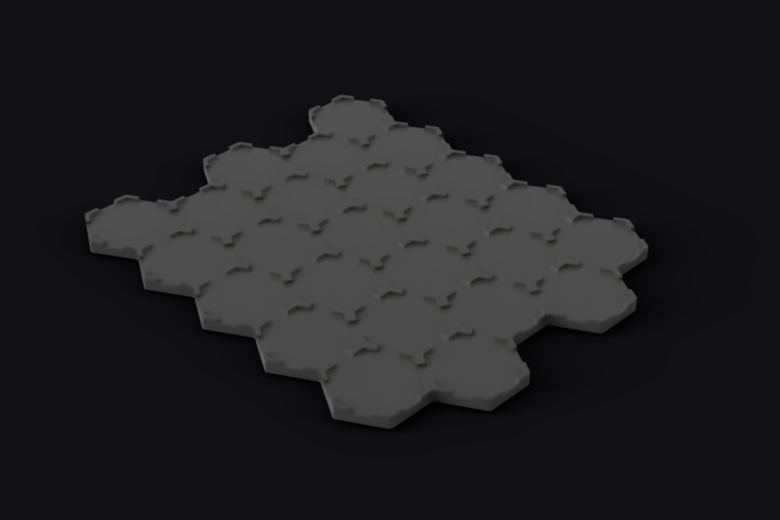
Remove a tile tray from the box and set it in the center of the table where everyone can reach it.
Tile trays are the building blocks of the world. Their job is to hold tiles that bring the Kairos to life. Trays can be arranged in different configurations to create all kinds of maps. For each episode — including this one — we will guide you through exactly how to build yours.
The Tiles
Tiles are what go on the tray. There are several types of tiles in Fawnalore and each one serves a different purpose.
Terrain Tiles
Terrain tiles are what make the Kairos feel like a real place. Act 1 comes with three terrain types:
Snow — white and icy
Water — deep blue
Stone — grey and rocky
Pick up any terrain tile and look at both sides.
One side shows the terrain art. This is the face-down side — what you see before a tile has been explored.
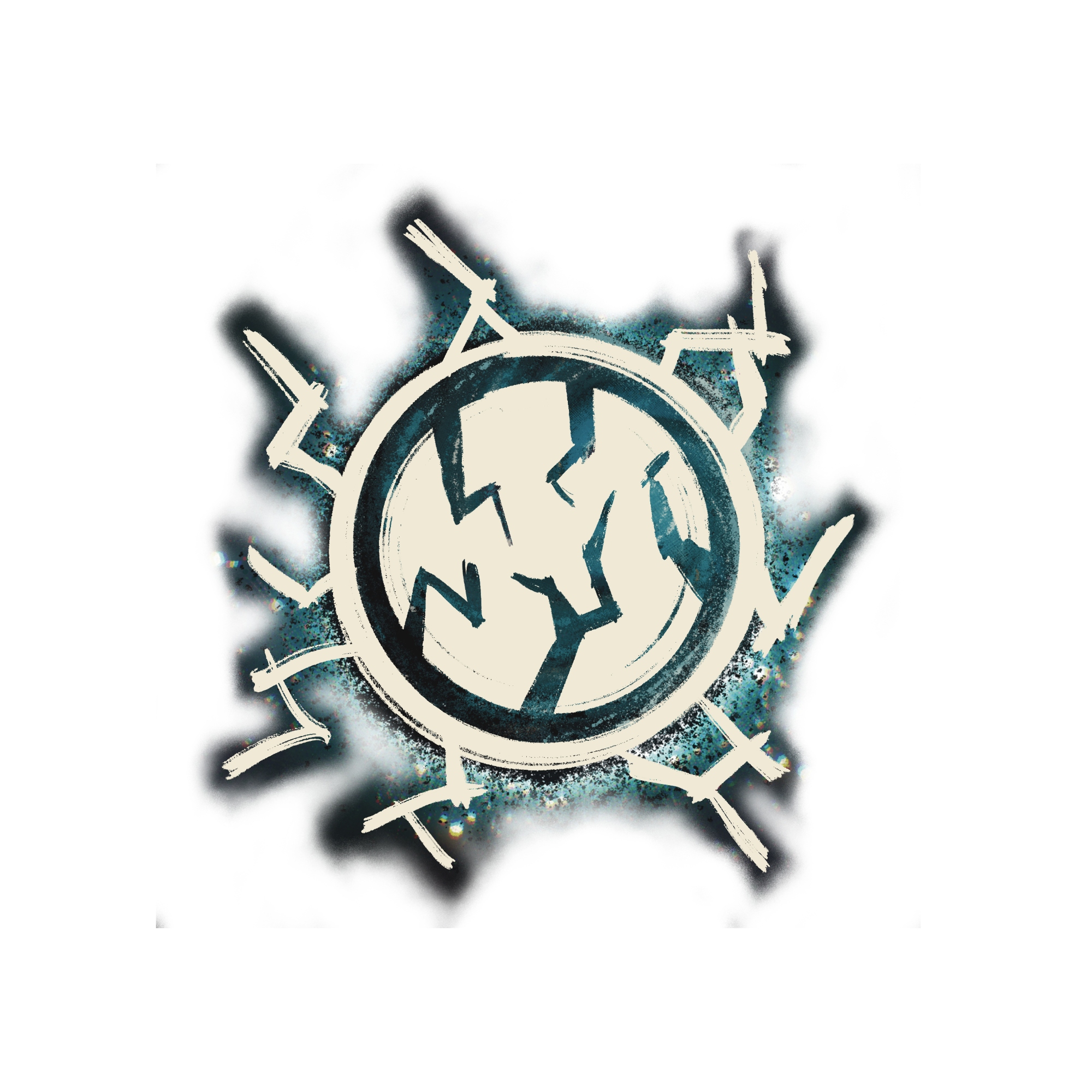
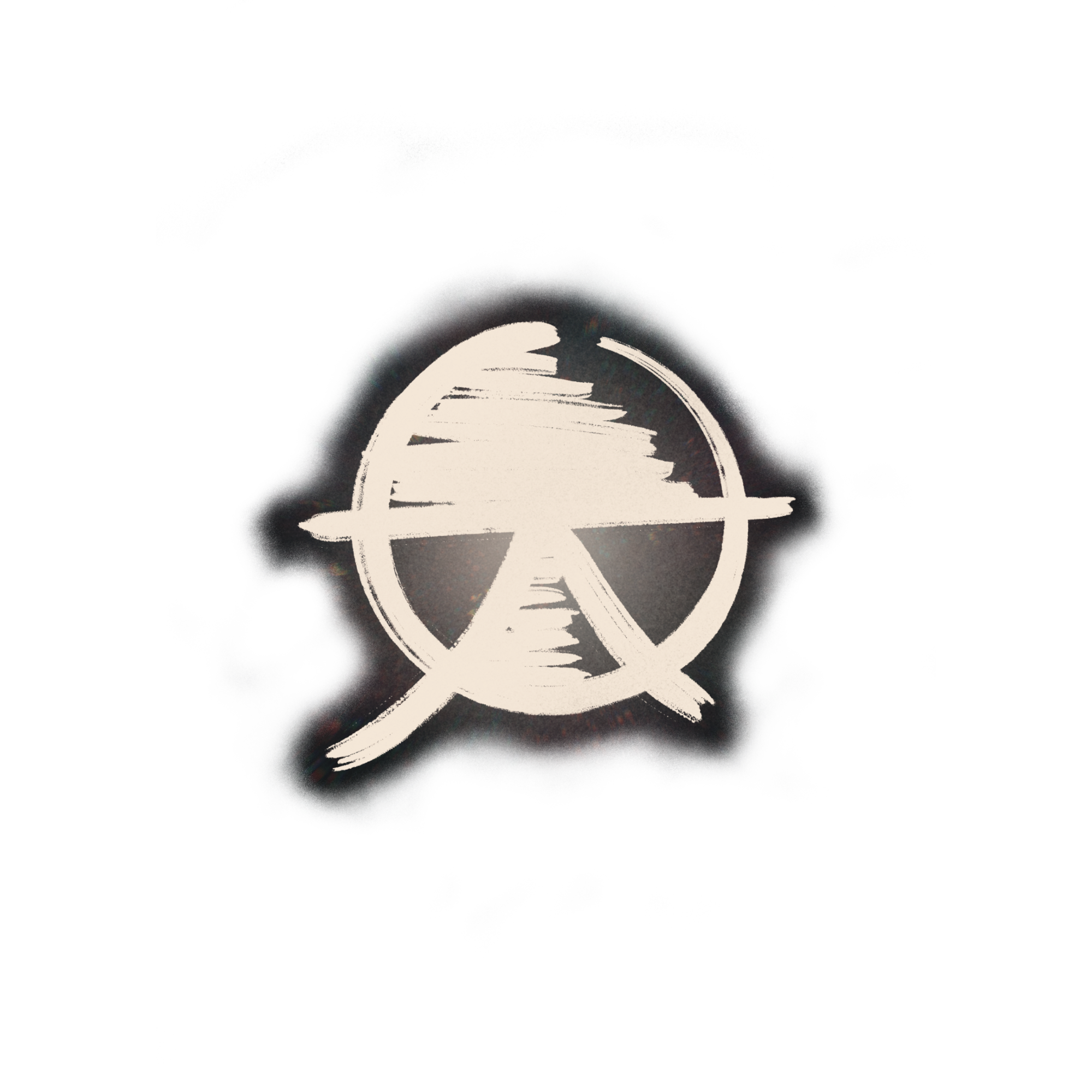
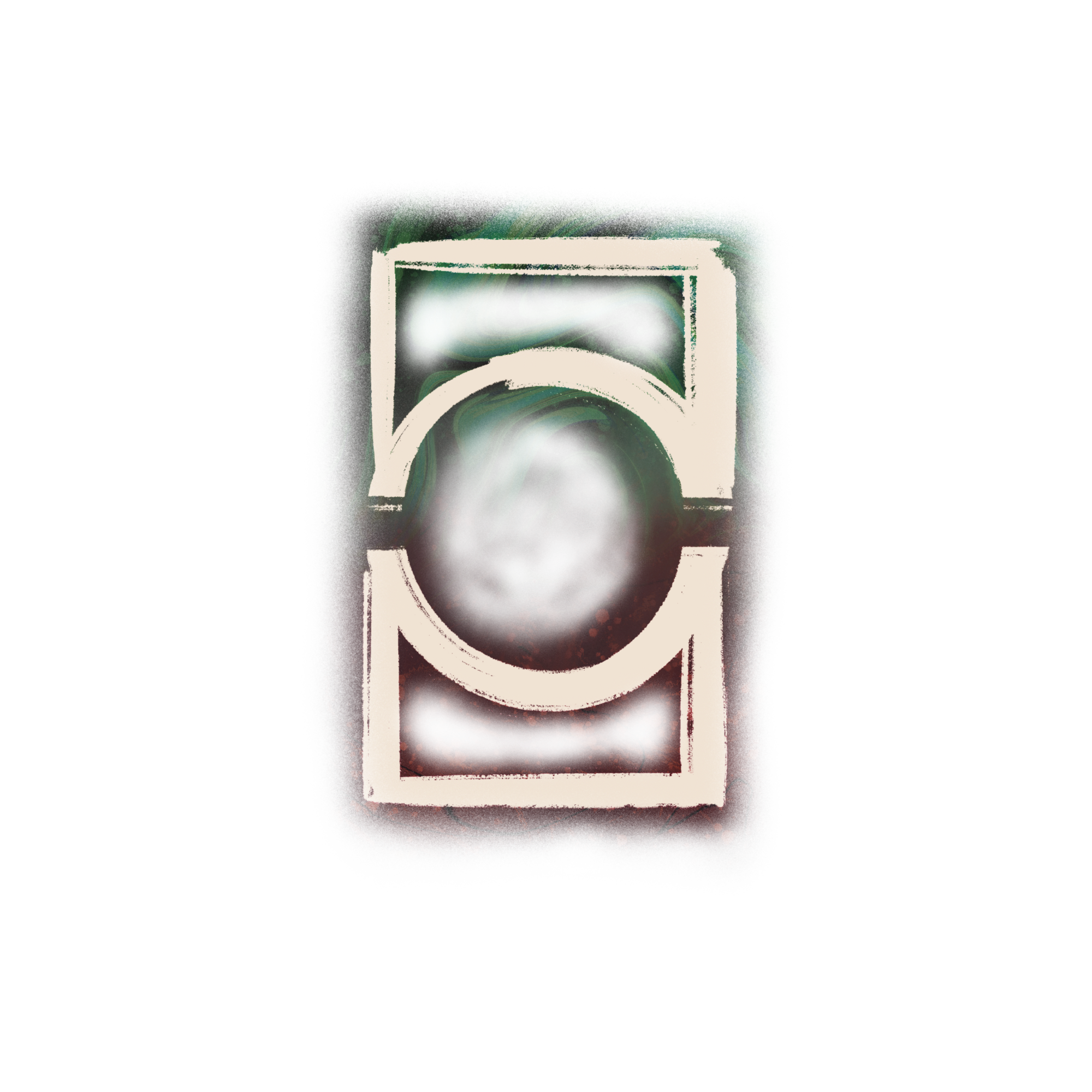
The other side has a symbol on it. This is the face-up side — what is revealed when someone explores that tile. Each symbol represents something different. We will explain what each one does shortly. For now just take note of the four symbols you will encounter:
Ether
Relic
Event
Consumed
Do not worry about memorizing these yet. More on each one is coming.
Ether
Relic
Event

Monster
Special Tiles
Beyond terrain tiles, there are a few other tile types you will encounter.
Campaign Tiles — tan colored with a number printed on one side and a QR code on the other. These are objectives. When you land on one during play you flip it over and scan the code. Something will happen next.
Campfire Tiles — marked with a campfire image. These designate starting positions. When an episode begins, every player starts on or next to a Campfire tile. Some episodes will have more than one.
Some spaces on a tray are left empty. These are Void spaces — gaps in the world. You cannot enter them. You cannot cross them. Route around them.
More tile types may be introduced in future episodes as the world expands.
Campaign

Campfire
"Don't worry about remembering all of this right now. The world will teach you as you go."
Build Your Map
This is how every episode begins — someone pulls up the episode setup, follows the diagram, and builds the map before anyone touches a card or rolls a die.
Follow the diagram above to build your first map. Here is what you need:
Snow tiles: 20
Water tiles: 4
Campfire tile: 1
Place the Campfire tile exactly where the diagram shows. This tile is always face-up.
Place the Water tiles face-down in the positions shown on the left.
Place the Snow tiles face-down across all remaining positions.
Important — for this first map, use only Ether and Relic tiles on the face-down positions. No Event tiles. No Monster tiles. Not yet. We want to give you a safe space to explore before things get… challenging.
Set aside Consumed and Event tiles for now
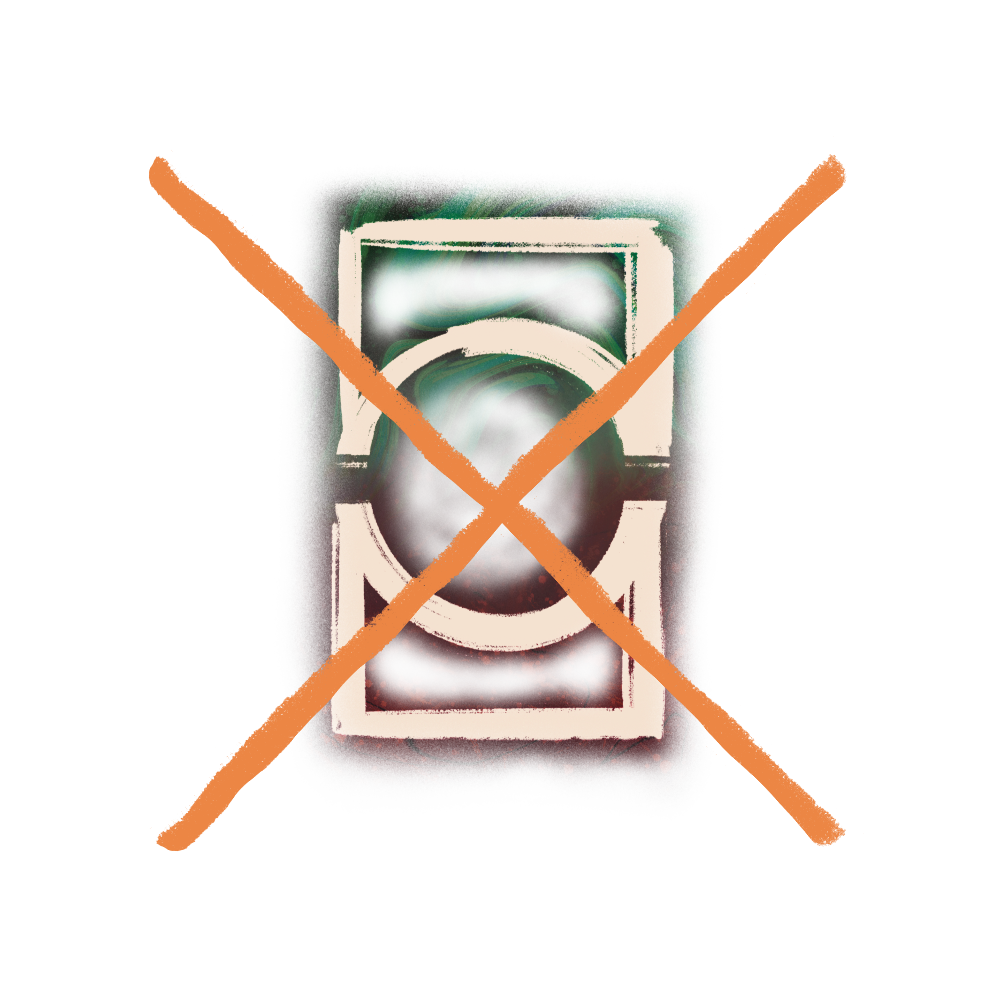

Only use Ether and Relic tiles for now
Randomized or Balanced
When it comes to placing your face-down tiles, you have two options. Both are valid.
Randomized — (recommended) Grab tiles from your pile without looking and place them randomly across the tray. You will not know what is out there until someone explores it. The world stays unpredictable. Some sessions you will be rich with Ether. Some sessions Relics will be everywhere. No two maps are ever the same. This is our favorite way to play.
Balanced — (optional) If you prefer a more even experience — especially for your first time — you can use a specific recipe. We will provide recommended tile counts in each episode setup when this option is available.
Whichever you choose, place all face-down tiles with the terrain side facing up. Nobody at the table should know what any tile holds until someone goes looking.
"Now you know what the land holds. The question is whether you are ready to go looking for it."
When your map is built and everyone has had a chance to look at it, continue.