
STEP 2: LEARN TO EXPLORE
"These are your companions, Shima. Each of us arrived here the same way you did. Lost. Confused. And very much dead. But the Kairos does not send us without purpose." - Pona
It is time to choose who you are in the Kairos…
CHOOSE YOUR CHARACTER
Each character has a name, a role, and a distinct way of engaging with the world. No two play the same. Read through the options below and choose one.
(Tip: If you are new to games like this, Amka is a strong starting choice — straightforward to play and hard to get wrong.)
Shima - Assassin

Sharp tongue, sharper blade. He gets in close, settles it, and is gone before anyone can answer. A deck of blades and smoke.
Difficulty: Advanced
Amka - Warrior

She'd rather take the hit than watch a friend take it. Every wound only makes her harder to deal with. A deck of fur, bone and stubbornness.
Difficulty: Beginner
Pona - Healer
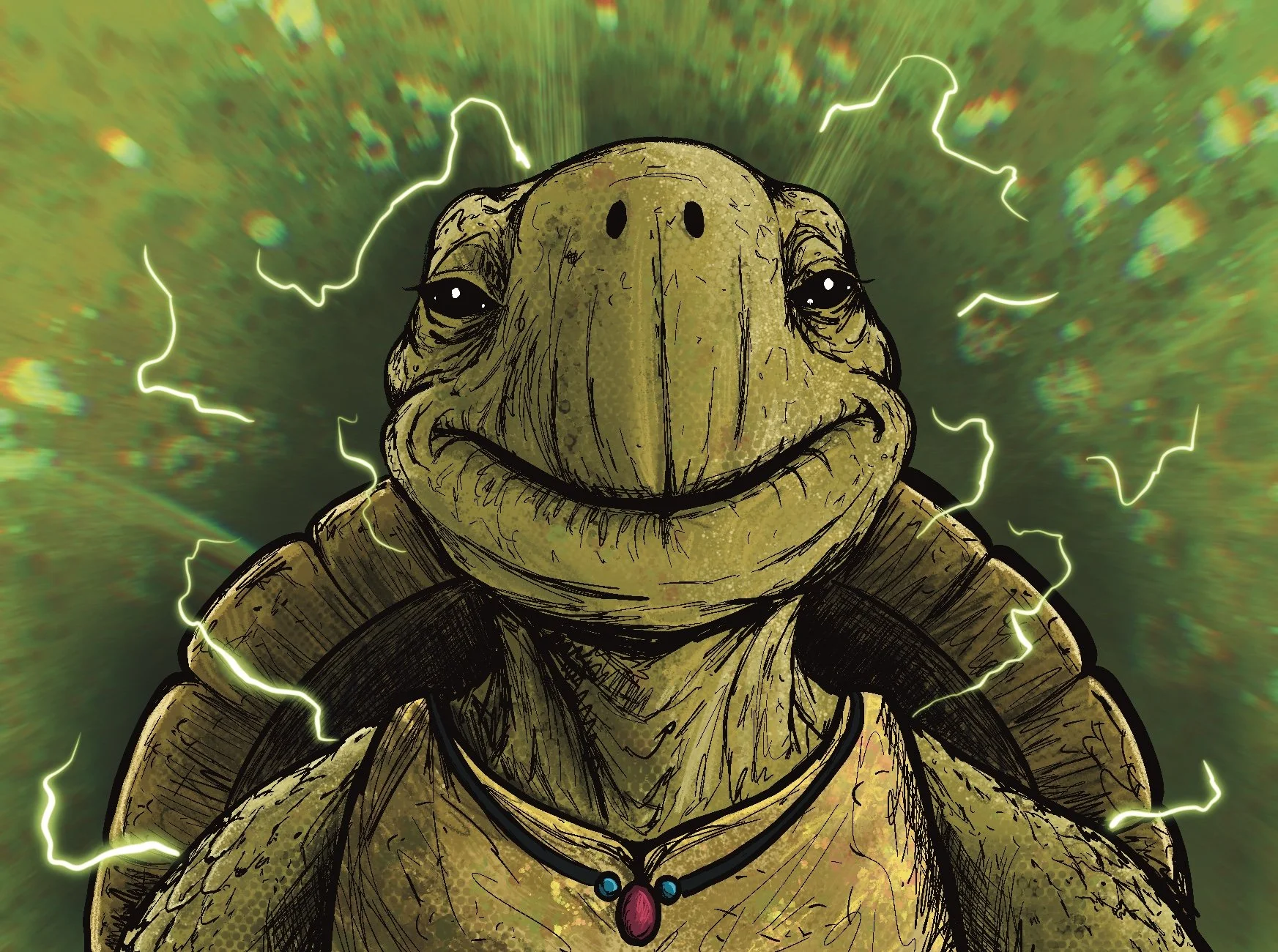
Unhurried and unshakable. She spends her own strength to keep everyone else standing. A deck of tides and trades.
Difficulty: Intermediate
Erandi - Monk
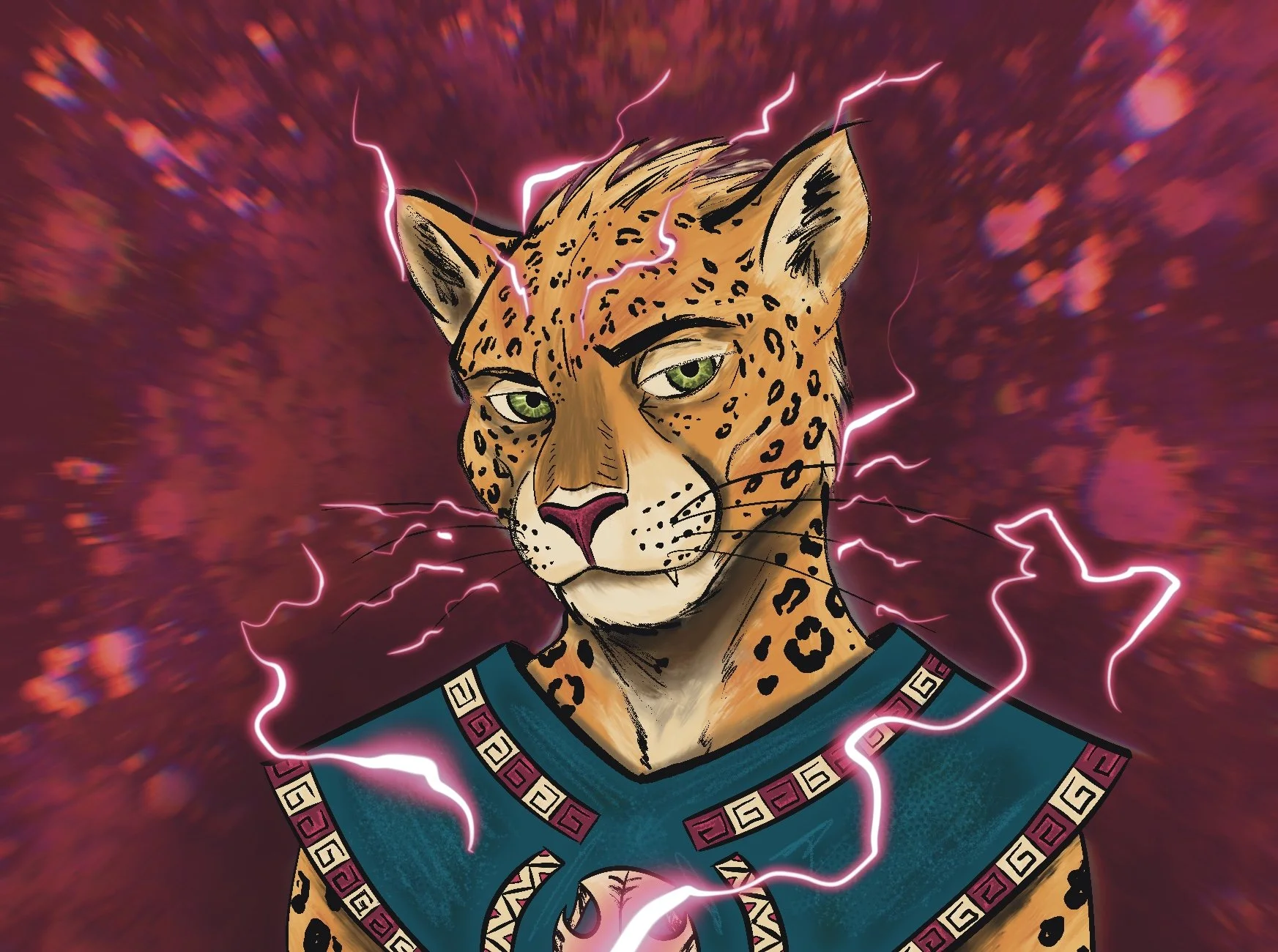
He will tell you how to do it, and he will be right. Nobody bends ether like Erandi, and nobody is less humble about it. A deck of echoes.
Difficulty: Advanced
Agowa - Scout
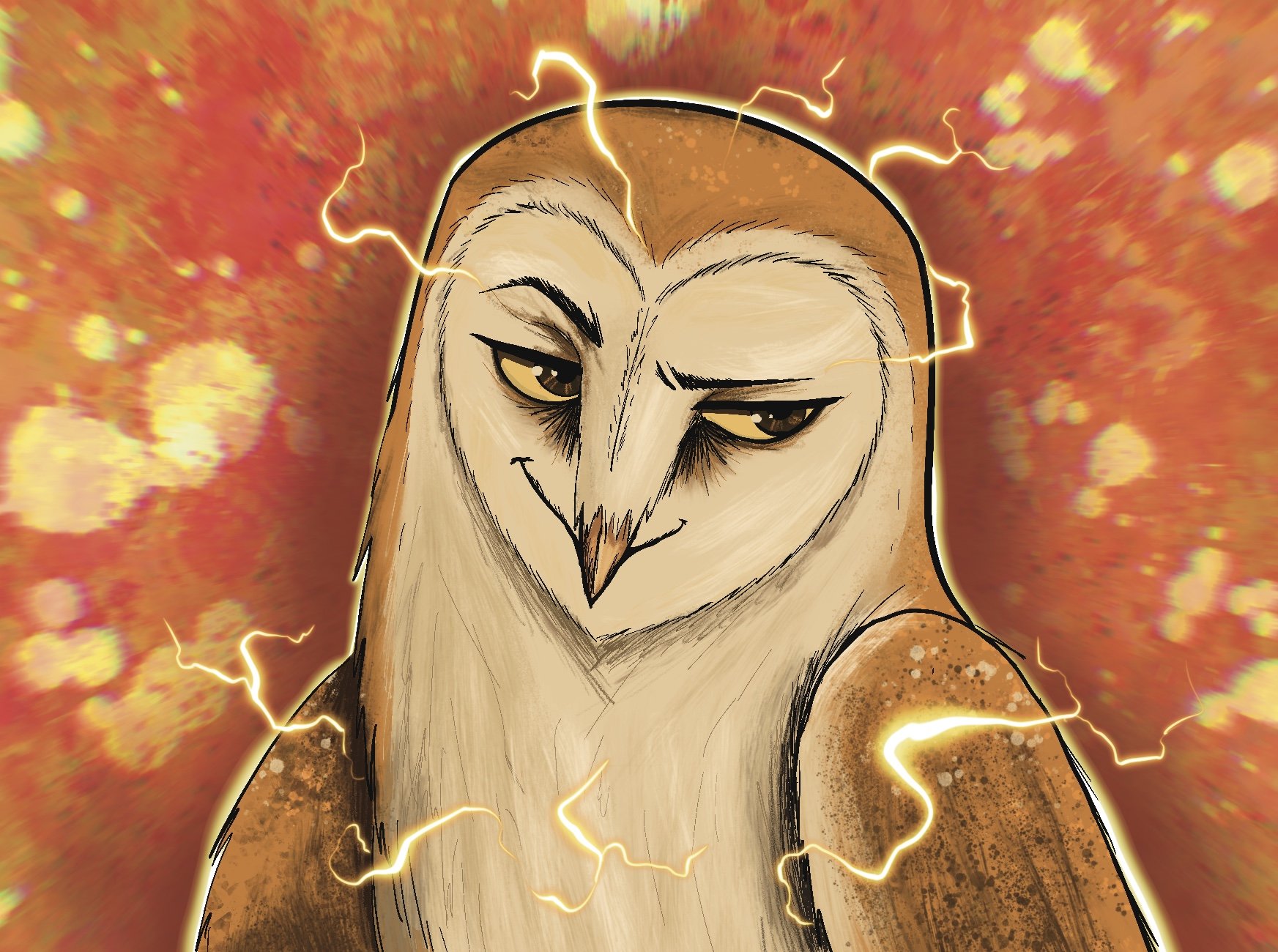
Never met a situation he couldn't make a joke out of. He spots trouble long before it arrives — he's had practice. Wind, height, and warning.
Difficulty: Beginner
Prati - Tinkerer

The youngest, and the only one who can build what she builds — not that she'd ever say so. She just wants everyone to get along. A deck of scrap and invention.
Difficulty: Advanced
Each player picks one character. Pick up your character card now. This is yours for the session.
Meet Your Character Card
Your character card is your identity in the Kairos. Everything about how you play lives on this one card. Let's walk through it.
Name and Class — top of the card
Who you are and what role you play. Shima is an Assassin.
Stats — Top center of the card
Five stats. Each one has an icon you will start recognizing quickly — these same icons appear on your cards and throughout the game.
Abilities — Center of the card
Every character has a Passive ability and a Special ability printed here. Read yours once now. You do not need to memorize them — just know they exist and refer back when relevant.
Weapon and Armor — Bottom zones
These are dedicated slots for your equipped weapon and armor cards. One card each. When you equip a weapon or armor from your hand, it slides into the corresponding strip and stays there until removed.
HP and Ether Tracking — Right side of the card
Two dry erase zones at the bottom. One for HP, one for Ether. This is where you track your current values throughout the session. The number on the right marks your maximum HP and Ether. You will be keeping track throughout play by writing on the left.
Also in this section is a tracker for your reaction. More to come on that later.
Do these two things right now:
1. Write your Max HP in the HP zone using your dry erase marker.
2. Write 0 in the Ether zone. You always start a session with no Ether.
Your stats — Top of the card
RANGE

The maximum number of tiles away you can target. A Range of 2 means you can target anything within 2 tiles of you.
SLOTS

The maximum number of permanent cards you can have equipped at once. This includes your weapon and armor. Shima has 7 — meaning 1 weapon, 1 armor, and 5 other permanents at most.
MOVE
Shown as a die — for example, 1d4. When you move, you roll this die (1d4 means a 4-sided die). The result is the maximum number of tiles you can move that turn.
ATTACK

Shown as a die — for example, 1d6. When you attack, you roll this die (1d6 means a six-sided die). The result is the damage you deal.
ETHER
Shown as a die — for example, 1d6. When you gain Ether from a tile, you roll this die. The result is how much Ether you receive.
"Everything you are is written there. Do not worry about understanding all of it tonight. The Kairos will teach you the rest."
Your Relic Deck
"The Kairos leaves gifts for those willing to look. Your relics are the ones it left for you."
Find your Relic Deck — the deck that belongs to your character. Shuffle it thoroughly.
Draw 5 cards and hold them in your hand. This is your starting hand. Keep it hidden from other players.
A few important rules about your deck:
Your hand limit is 7 cards. At the end of each turn, if you have more than 7 cards in hand, discard down to 7. You choose which cards to discard.
Discarded cards go to your Discard pile. More on that shortly.

Reading a Relic Card
You have 5 cards in your hand. Before you play one, let's make sure you know what you're looking at.
Ether Cost — top left circle
This is what you pay to play the card. Amulet of Pace costs 2 Ether. If you do not have enough Ether, you cannot play the card. Simple as that.
Card Name — top left
What the card is called. You will start recognizing your favorites quickly.
Level — below the name, left
The tier this card belongs to. All cards in your starting deck are Mortal level. As you progress through the campaign and earn booster pack rewards, you will unlock higher tier cards. Higher tier means more powerful.
Permanence — below the name, right
How long the card stays in play after you play it. There are three types:
Persistent — the card stays equipped and active until removed. It sits in your weapon slot, armor slot, or play area and its effects are always on. Hidden Knife is Persistent — once equipped, it is your weapon until you swap it out.
Burst — the card resolves immediately and goes straight to your discard pile. One use, then gone.
Fading — the card stays in play temporarily, then discards itself at a specific time — usually the end of your turn or the start of your next one.
Relic Type and Class — bar below the art
What kind of relic this is. Equipment cards are physical items — weapons, armor, and gear your character wears or carries. Essence cards are spells, potions, rituals, and abilities. The type matters because some effects specifically interact with one category or the other. The Relic Class tells you what Class of character the card was designed for. The doesn’t mean you can’t use it in other decks!
Description — bottom text box
This is what the card actually does. Read it carefully every time — descriptions vary wildly from card to card.
Some cards trigger automatically when something happens — "When you attack with this weapon" fires every time you attack while it is equipped. You do not have to do anything extra.
Some cards require you to spend your Action to use them. Those will say "as an Action" in the description.
Some cards modify your stats passively — "+1 to {attack} roll" just makes you hit harder without any extra steps.
Some cards give you a choice — "Choose one:" means you decide what happens when you play it.
Pay attention to the trigger at the top of each description. That one line tells you when and how the card activates. The rest of the text tells you what it does when it does.
That is all you need to know to start playing cards. The rest you will figure out as you go.

What is Ether?
Before you start taking turns, you need to understand one thing.
Ether is the lifeblood of the Kairos. It is the resource that powers everything your character does beyond the basics. Playing cards from your hand costs Ether. Activating certain abilities costs Ether. The more Ether you have, the more options you have.
You start every session with zero Ether. You build it by exploring the map — Ether tiles, defeated monsters, and certain cards all add to your total.
Watch your Ether. Spend it wisely. Running out at the wrong moment changes everything.
How A Turn Works
Phase 1 - Draw
Take one card from the top of your Relic Deck and add it to your hand.
This happens at the start of every turn, before anything else.
Phase 2 - Move/Action
This is the main phase of your turn. You may do two things, in either order:
Move - Roll your Move die. Move your miniature up to that many tiles across the map. You can move back and forth as long as your total tiles moved does not exceed the roll. Unused movement is lost.
When you end your Move you might land on a face-down tile. If you do, flip it over immediately and resolve its effect before continuing. If you land on a face-up tile, nothing happens (that resource is already used up).
Action - Take one Action. Common Actions include:
Attacking an enemy
Activating your Special ability
Reviving a downed ally
Playing cards is not an Action. You may play cards freely during this phase without spending your Action. Pay the Ether cost shown on the card. The card resolves. That is all it costs you.
You choose the order. Move then Act, or Act then Move. You can also choose to only do one or neither.
Phase 3 - Clean Up
Resolve any effects on your cards or abilities that say "at the end of your turn."
Then discard down to 7 cards if you are over the hand limit.
After Clean Up, any monsters you control take their turns. We will cover that in the next section.
Then the next player begins their turn.
"The Kairos has its own rhythm. You will feel it soon enough."
Reaction
Most cards wait for your turn. Reactions don't — you can play one at any moment, including in the middle of someone else's turn. A monster swings at the player across the table, and you can guard them, heal them, move them out of the way, or hand them a reroll before the damage lands.
Playing a Reaction doesn't cost your Action, so it never eats into your own turn. It still costs ether like any other card.
You get one Reaction per round. It resets at the start of each new round. That one card is the whole budget, and spending it is the decision: stop something small now, or hold it for the thing you can see coming.
Mark it on your mat when you use it. Reactions get played off-turn, usually in the middle of something tense, and by the time your own turn comes back around it's easy to forget whether you already spent yours. Fill in the Reaction bubble when you play one and wipe it clean at the start of the next round. It also lets everyone else see, at a glance, who can still step in.
You can't react to a Reaction. If someone plays one first, it resolves — you don't get to answer it with your own.
Place your Miniature
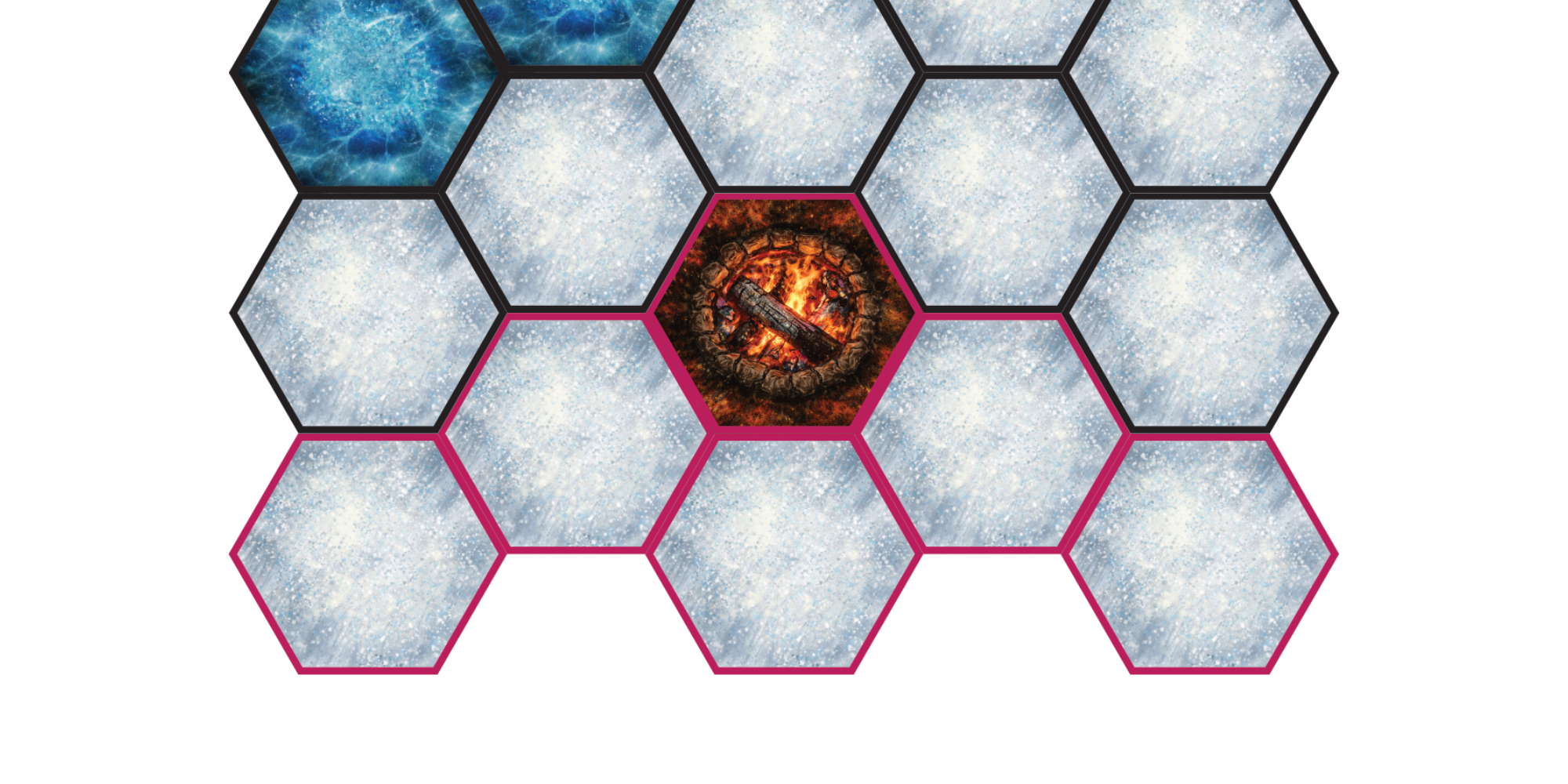
Your map is already built. Find the Campfire tile or any tile with a pink outline — those are your starting positions. Each player places their miniature on a separate starting tile.
Roll For Order
Everyone rolls 1d20. Highest result goes first. Ties re-roll. Turn order proceeds clockwise from the first player.
Explore Freely
Take real turns now. Draw, move, act, clean up. Collect Ether. Play cards from your hand. Equip relics. Flip tiles and resolve them — you already know what each one does.
There is no instruction coming during this phase. Just play.